Fat compartments and retaining ligaments
Facial fat occupies distinct compartments supported by retaining ligaments. Hollowing and sagging may coexist, so tissue repositioning and volume replacement require separate assessment.
SIGNATURE THREAD LIFTING
Mini Lift
Assessment of cheek, nasolabial and jawline sagging
AVIQUE’s thread-lifting program uses barbed threads. We assess upper-cheek and nasolabial concerns alongside lower-cheek and jawline sagging, taking movement around the mouth into account.
Skin, subcutaneous fat, the superficial musculoaponeurotic system (SMAS) and facial muscles form a connected structure. Thickness and movement vary by area.
Facial fat occupies distinct compartments supported by retaining ligaments. Hollowing and sagging may coexist, so tissue repositioning and volume replacement require separate assessment.
Barbed threads support and reposition tissue. Smooth mono threads serve a different role and should not be expected to provide the same mechanical lift.
Planning considers nerves, vessels, salivary structures and movement during speech and expression. Thin skin and tissue altered by previous procedures need individual assessment.
Mini Lift is the subtitle of this thread-lifting program. It is different from an incisional surgical facelift. Treatment areas are selected after assessment.
Filler may be considered for associated volume loss and energy-based treatment for skin laxity. Combination and sequence depend on facial anatomy and previous treatment.
Bruising, swelling, pain, pulling, asymmetry, dimpling, thread exposure or infection may occur. Results and recovery vary; a surgical facelift result is not guaranteed.
Threads address tissue position and support; filler addresses volume loss and contour. Similar-looking cheek or nasolabial concerns may have different causes.
Bruising, swelling, pain, pulling and temporary dimpling may occur. Infection, thread exposure and asymmetry are also possible. Allow recovery time before travel or important events and follow individual aftercare advice.
Adapted from publicly accessible textbook material and contents, clinician-authored publications, professional guidance and manufacturer information. General information does not guarantee an individual result.
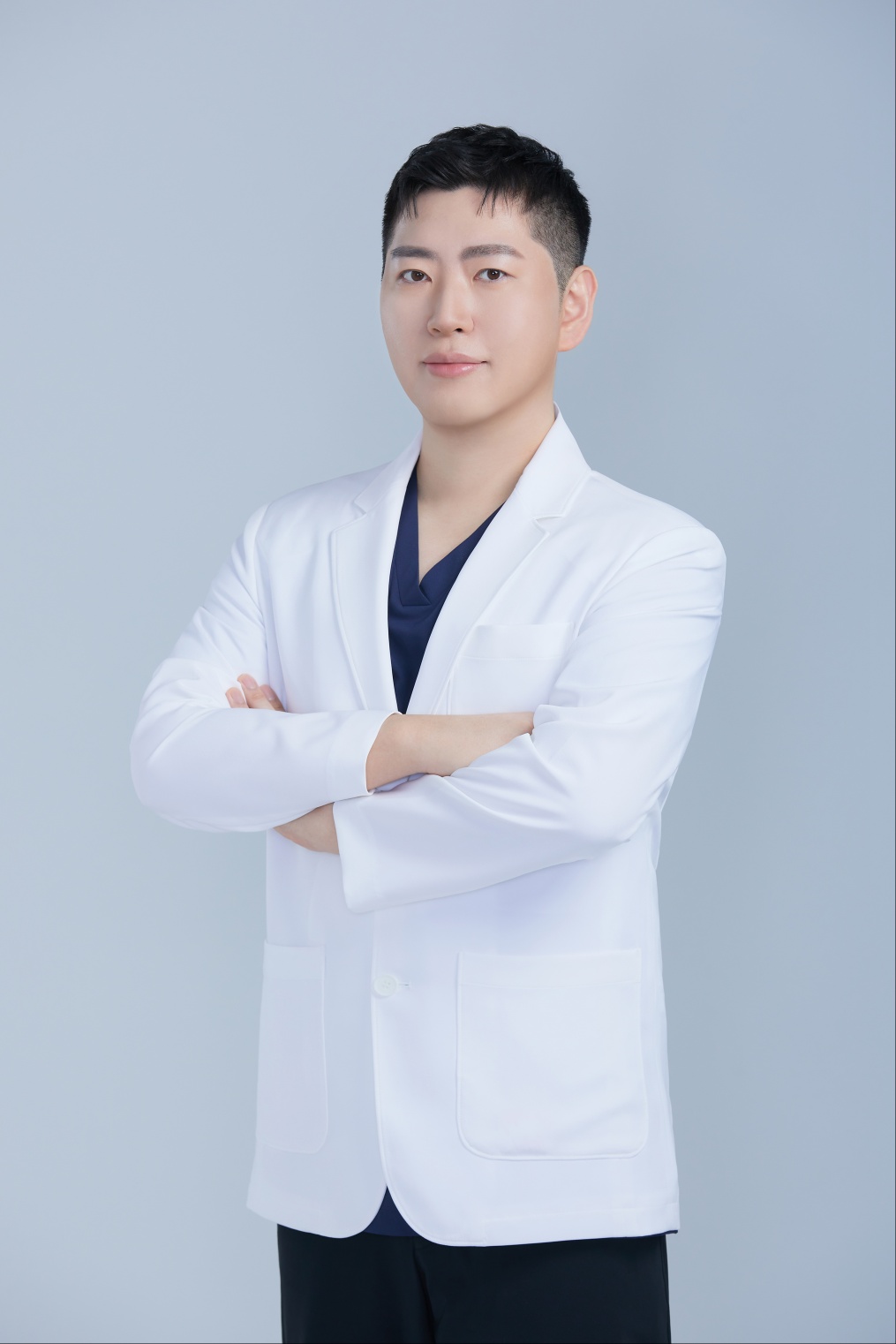
Meet your medical director
Medical Director, AVIQUE CLINIC
Board-certified in Family Medicine
YOUR NEXT STEP
Email us your goals and questions.
Email a consultation enquiryavique@aviqueclinic.com